Headphones and Your Child’s Hearing: Tips to Keep Their Ears Safe
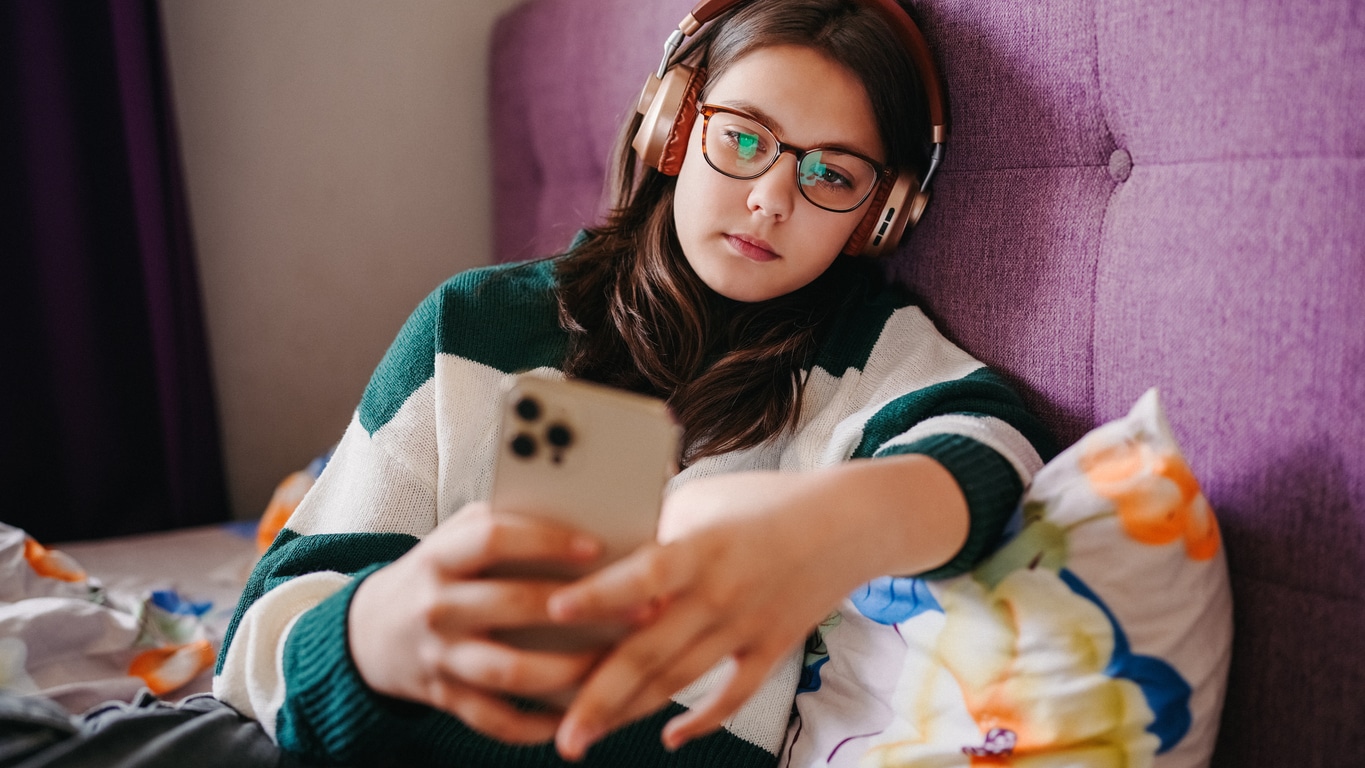
Headphones are everywhere. Kids use them for school, gaming, music and movies. Unfortunately, all that headphone use might not be the safest for their hearing.
It’s not always easy to tell your child, “that’s too loud” or “turn it down.” But protecting their hearing now can prevent problems later. Let’s take a look at what you should know about noise-related hearing loss and how you can protect your child’s hearing.
Safe Listening Limits
We measure sound in decibels (dB). Long-term exposure to sound at or above 85 dB or short-term exposure at or above 120 dB can cause hearing loss. Many music players max out at around 110 dB, well above the range for hearing loss.
How to Talk to Your Kids About Hearing Protection
Kids don’t always listen when you tell them something is bad for them. But that doesn’t mean they don’t need to hear it.
Offer them options instead of demands. Instead of telling them they can’t listen to music through their headphones, help them set decibel limits on their smartphones and computers, usually under “headphones safety” or a similar title.
Tell them they can listen to music one to two hours a day, but they should choose quieter activities afterward. A trip to Mountain View Park or a craft afternoon are great options in place of loud music or games. Alternative activities will help them feel like they’re gaining a new activity, rather than losing an old one.
When To Seek Help
Hearing loss isn’t always obvious, but paying attention to the signs can make a big difference. A few signs of hearing loss include:
- Saying “what?” or “huh?” more often than usual
- Complaining about ringing or buzzing in their ears
- Not responding when you call their name
- Decline in academic performance
- Social withdrawal
Headphones and Your Child’s Hearing: Tips to Keep Their Ears Safe
Headphones are everywhere. Kids use them for school, gaming, music and movies. Unfortunately, all that headphone use might not be the safest for their hearing.
It’s not always easy to tell your child, “that’s too loud” or “turn it down.” But protecting their hearing now can prevent problems later. Let’s take a look at what you should know about noise-related hearing loss and how you can protect your child’s hearing.
Safe Listening Limits
We measure sound in decibels (dB). Long-term exposure to sound at or above 85 dB or short-term exposure at or above 120 dB can cause hearing loss. Many music players max out at around 110 dB, well above the range for hearing loss.
How to Talk to Your Kids About Hearing Protection
Kids don’t always listen when you tell them something is bad for them. But that doesn’t mean they don’t need to hear it.
Offer them options instead of demands. Instead of telling them they can’t listen to music through their headphones, help them set decibel limits on their smartphones and computers, usually under “headphones safety” or a similar title.
Tell them they can listen to music one to two hours a day, but they should choose quieter activities afterward. A trip to Mountain View Park or a craft afternoon are great options in place of loud music or games. Alternative activities will help them feel like they’re gaining a new activity, rather than losing an old one.
When To Seek Help
Hearing loss isn’t always obvious, but paying attention to the signs can make a big difference. A few signs of hearing loss include:
- Saying “what?” or “huh?” more often than usual
- Complaining about ringing or buzzing in their ears
- Not responding when you call their name
- Decline in academic performance
- Social withdrawal
If you notice any changes in your child’s hearing or behavior, it might be time to schedule a hearing test. Pediatric hearing tests are simple, painless and can catch problems early, before they become long-term issues.
Contact Sound Advice today to schedule a hearing test with one of our specialists.